
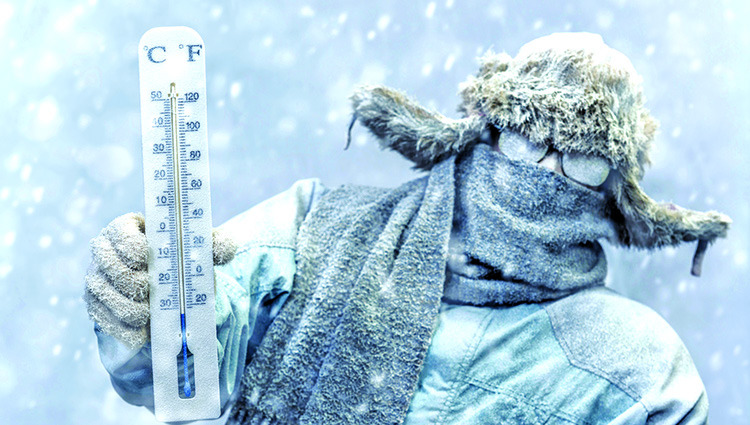
A drastic dip in the jet stream is set to bring the coldest temps in a very long time to about half of the United States, including us here in Northeast Texas.
After a normal season high on Thursday, the artic air mass will move in dropping the temperature across the region down into single digits before Friday morning, with wind chill factors making the “feels like” temperatures below zero.
The National Weather Service office in Shreveport notes that strong northwesterly winds between 35-40 mph will impact those wind chills, making any time spent outdoors a time for caution. There is a slight chance of wintry precipitation for portions of the area on Thursday, but no accumulations or impacts are expected from any wintry precipitation that does fall. The primary concern at this time will be the extreme cold with a prolonged period of below freezing temperatures into the Christmas weekend.
Precautions such as wrapping pipes, leaving your inside water running slowly and opening cabinet doors so inside pipes draw some heat will be necessary Thursday night through next Tuesday as temperatures will not get above freezing until Saturday and will dip back below freezing each night until Tuesday.
This hard freeze Thursday night will not only pose a risk to household pipes and automobiles, but will also pose a significant risk to outdoor animals and plants.
According to the Humane Society, if your pet is outdoors much of the day for any reason, they must be protected by a dry, draft-free shelter that is large enough to allow them to move comfortably, but small enough to hold in body heat. The floor should be raised a few inches from the ground and covered with cedar shavings or straw. The doorway should be covered with waterproof burlap or heavy plastic.
Pets who spend a lot of time outdoors need more food in the winter because keeping warm depletes energy. Routinely check your pet’s water dish to make certain the water is fresh and unfrozen. Use plastic food and water bowls; when the temperature is low, your pet’s tongue can stick and freeze to metal.
Exposed skin on noses, ears and paw pads are at risk for frostbite and hypothermia during extreme cold snaps. For this reason, short-haired dogs often feel more comfortable wearing a sweater—even during short walks.
Rock salt and other chemicals used to melt snow and ice can irritate the pads of your pet’s feet. Wipe all paws with a damp towel before your pet licks them and irritates their mouth.